How to Install and Keep a Simple Backyard Bird Bath: A Field Guide
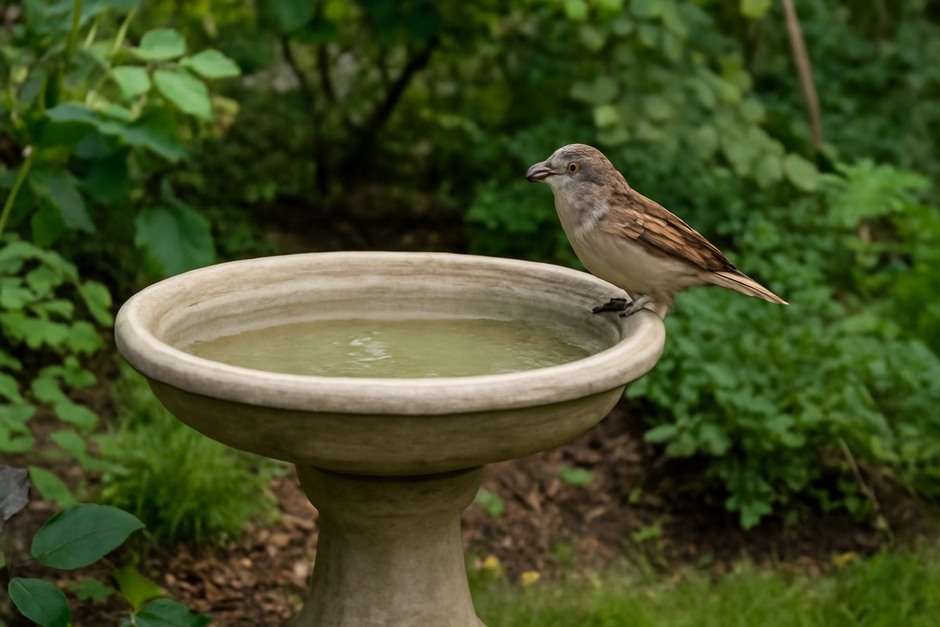
Water attracts wildlife in subtle, revealing ways. A bird bath is one of the simplest additions to a garden that invites observation: birds show up, habits become visible, and the yard becomes livelier. Below is a careful, field-observer’s method to choose a site, install a bath, and maintain it seasonally. Follow the step-by-step method, then consult variations and troubleshooting notes to adapt to your yard.
Step-by-step method
-
Observe before you place.
Spend a few mornings and evenings from several vantage points in your yard. Note where birds already visit to perch, where sunlight and shade fall through the day, and where wind funnels. The best location balances visibility for you and safety for birds: near cover (shrubs or low trees) but with clear approach lines so birds can see predators.
-
Choose the style and shallow depth.
Birds prefer shallow water. Aim for a basin with a gently sloped bottom and water depth between 1 and 2 inches (2.5–5 cm) at the shallow edge. If you prefer a ready-made bath, choose a broad shallow bowl rather than a deep basin. A flat stone basin or a repurposed shallow planter works well.
-
Set stable footing.
Place the bath on a level, firm surface. A low pedestal helps deter ground predators; a simple wide stake, a short stump, or a metal stand works. Make sure the bath cannot tip when birds land—test it by pressing the rim gently from several angles.
-
Provide nearby perches and cover.
Leave a few nearby perches: small branches, a low fence post, or an old garden tool handle. Ensure cover (shrubs, a low hedge, or a dense planter) is within 10–15 feet (3–5 m) but not so close that cats or other predators can hide immediately above the bath.
-
Add movement and sound (optional).
A subtle trickle keeps water fresh and attracts more species. A small solar bubbler, a drip from a recycled bottle, or a gentle mist from a sprayer is enough. Avoid loud pumps; birds prefer gentle, natural sounds.
-
Fill and monitor.
Fill the bath with clean water and observe at different times of day. Note which species visit, how they use the bath (drinking vs. bathing), and changes in behavior when you alter depth, location, or movement. Keep a simple notebook for patterns—this is the heart of the field guide approach.
-
Maintain a regular cleaning schedule.
Empty, scrub, and refill the bath at least twice a week in warm weather, less frequently in cool weather. Use a stiff brush and plain water; avoid soaps and chemicals that leave residue. Replace water sooner if it becomes cloudy or has visible algae.
Variations
Small balconies and containers
Use a shallow saucer or a wide plant tray placed on a sturdy table or railing. Raise the tray slightly on a small brick to allow easy drainage if you need to tip it. Add a few pebbles for perches and a small potted shrub nearby for cover.
Large gardens and wildlife ponds
Combine a shallow bird bath with a larger pond. Create a gently sloping shoreline area or place shallow stones at the pond’s edge so smaller birds can access shallow water safely. Maintain separate shallow basins for regular cleaning to reduce disturbance to pond life.
Winter and cold climates
Use a de-icer element or place the bath in a sun-exposed spot to keep part of the surface unfrozen. A shallow bowl warms and cools quickly; refresh with warm water in the morning if ice forms. Pay attention to local freezing patterns and adjust frequency of refills accordingly.
Troubleshooting
Algae and cloudy water
- If algae blooms: increase cleaning frequency and add a small fountain or bubbler to keep water moving.
- Place the bath partly in shade during peak sun hours to slow algae growth.
Mosquito concerns
- Keep the water moving or change it every 48 hours in warm weather—mosquitoes need several days to complete a life cycle.
- Consider adding a mesh cover overnight if mosquitoes are an ongoing problem, while still allowing bird access during the day.
Aggressive birds or pigeons dominating visits
- Offer multiple small shallow baths spaced a few metres apart—this reduces competition and lets shy species access water.
- Provide sheltered drinking spots (overhanging plants or a sheltered basin) where smaller birds can hide from more aggressive ones.
Predators (cats, hawks)
- Keep cover close but not too close: low dense shrubs within 3–5 m provide escape cover without giving predators ambush points.
- Place the bath where birds can see open sky and clear approach paths, so they detect predators early.
Finally, practice quiet observation. Sit at a distance, take notes on species and behavior, and adjust your setup slowly. Small changes—depth, perch placement, a trickle of water—reveal how birds learn and adapt. A bird bath is both a practical water source and an open-air laboratory for observing the daily lives of yard wildlife.